
Key takeaways:
- In Brazil, 79% of people research before they buy, well above the global average of 56%, according to a PwC survey reported by Exame, a Brazilian business magazine.
- This research happens before people decide which store to visit, so the Google Business Profile is one of the first touchpoints for shoppers who already intend to buy.
- Chains and franchises can use their Business Profiles to see which search terms actually bring customers to each location, and feed that data into their sales strategy.
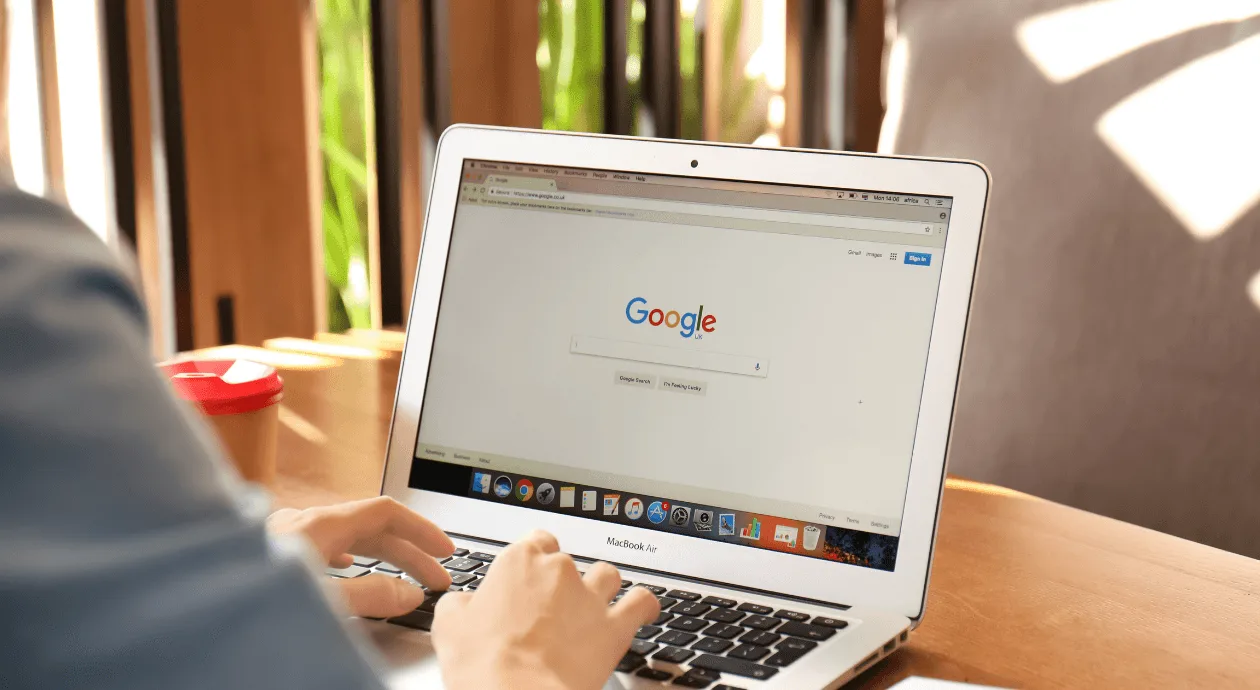
Someone decides to replace the fridge at home and, before setting foot in any store, grabs their phone and searches Google: models, prices, reviews, and where to buy. This habit of researching first and only then choosing which store to buy from is common in Brazil.
According to a PwC survey reported by Exame, 79% of Brazilians research before they buy, well above the global average of 56%. The takeaway: a strong Google Business Profile carries a lot of weight. After all, it's where people check your business hours, website, address, and other details.
In this article, you'll learn how to find out what people are searching for on Google when they look for the products or services your brand offers, and how a business with many locations can turn that data into a strategy to grow sales. Let's dive in!
How many people search on Google before they buy?
A survey by Brazil's National Confederation of Retail Store Managers (CNDL) and the Credit Protection Service (SPC Brasil), conducted in partnership with Offerwise, found that shopping websites and apps lead, accounting for 95% of purchases, while physical retail still matters to 82% of consumers.
Other key findings from the study:
- 43% of people name search engines such as Google, Yahoo, and Bing as the channel they use most to check prices before making a purchase, ahead of store websites and apps (41%).
- 91% of consumers prioritize businesses with a good online reputation when choosing where to buy.
- 73% get frustrated when they can't find essential information online about the physical store they plan to visit.
Taken together, these numbers show that search engines like Google stay relevant even when the purchase happens in store: they're the most-cited channel for checking prices, ahead of even retailers' own websites, and they still influence the decisions of people who plan to buy in person.
In other words, for most businesses with a physical presence, the decision about which store to visit is already being made on a phone screen, before the person even knows exactly where they're going.
That's why businesses that don't show up in this pre-purchase search miss the chance to make the shortlist, even when they're physically close to the person looking for what they sell.
For chains and franchises with many locations, this effect is multiplied: every outdated or poorly ranked listing means customers who searched, found another option first, and never even considered that location.
Also read: Local digital presence: what it is and how to build it for multi-location businesses
What do people search for most on Google before buying a product or hiring a service?
In general, searches that come before a visit to a physical business tend to follow a few easily recognizable patterns:
- "Near me" or neighborhood searches: "pharmacy near me" or "gym in [neighborhood]" are typical when the person already knows the type of business they need but hasn't picked a specific one yet.
- Searches by category or a specific feature: when the decision depends on a service not every competitor offers. Queries like "gas station with convenience store" or "clinic open on Saturdays" are good examples.
- Urgency terms: queries like "pharmacy open now" or "24-hour tire repair" come up when speed matters more than a preference for any particular brand.
- Brand name plus practical information: once the person has decided on a specific location, they may type "[business name] hours" or "[business name] phone number".
What these examples have in common is that, most of the time, the person searching hasn't yet decided which business to visit. So the Business Profile that best answers these searches (with complete information, the right category, and up-to-date hours) stands a better chance of being chosen.
Also read: Store missing from Google Maps? 7 reasons and how to fix them
How do you find out which Google searches bring customers to your business?
Most businesses know, in theory, that people run "near me" and category searches on Google. What few of them know is which search terms brought each customer to them. That's where guesswork gives way to data.
Finding out what people search for when they want to buy what you sell is easier than it sounds: the Google Business Profile shows, for each listing, the search terms that led to views or actions for that store. The challenge comes when chains and franchises need this information at scale.
A brand with 50, 100, or 300 locations can't open one listing after another to pull this data together and spot patterns across the whole network. To get that unified view, you need specialized software.
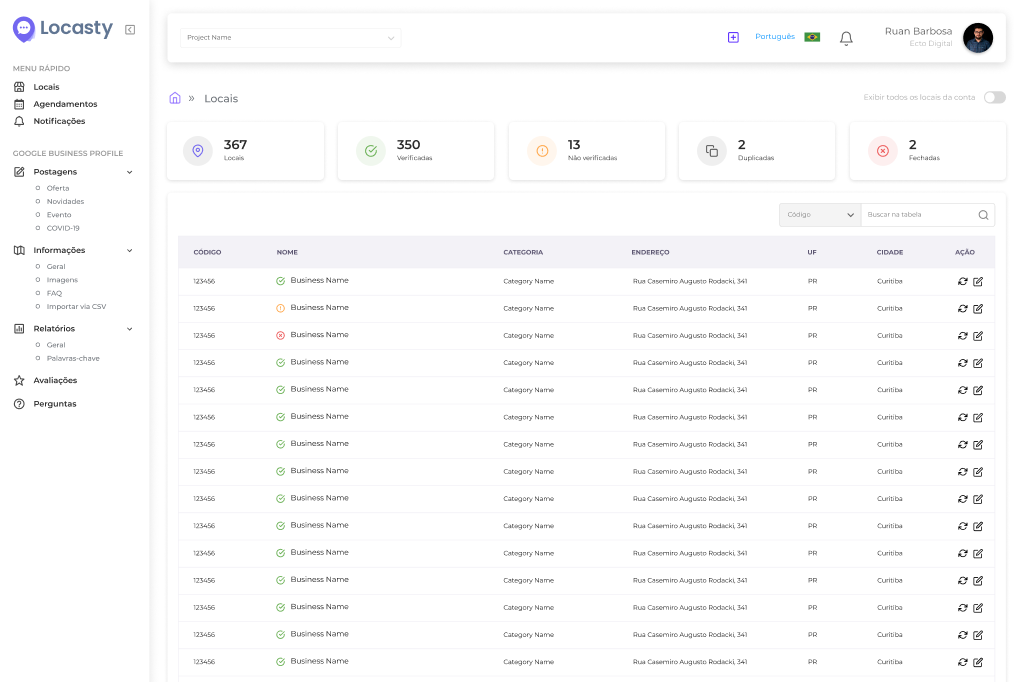
Locasty, our local SEO tool, includes a Keywords report that brings together the search terms of every location in the chain in one place.
That lets brand managers and their teams compare what brings customers to each location and adjust categories, services, and content based on what people are searching for. Schedule a Locasty demo to learn more!
Also read: How to ask customers for Google reviews
Frequently asked questions about Google searches before a purchase
Still have questions? Here are answers to some of the most common ones to help you get up to speed:
1. Which types of businesses see the most searches before a purchase?
This behavior shows up in any industry with a physical presence, but it's most common in businesses where decisions happen fast, such as pharmacies, gas stations, and services people need right away. In those cases, people search and decide within minutes.
2. Does ranking well on Google Maps guarantee that people will visit the store?
It doesn't guarantee it, but it's what gets you onto the list of options people consider. If you don't show up in search, people deciding where to go won't even consider your business.
Also read: How one location's Google reputation affects your entire franchise network
3. Do the keywords that bring customers to a listing change over time?
Yes. Seasonality, changes in the neighborhood, and even new competitors shift which terms people search for most in an area. That's why looking at this report once isn't enough; you need to keep monitoring it.
4. Is searching on Google Maps different from a regular Google search?
The searcher's behavior is similar, but Maps tends to attract people who have already decided to go somewhere in person, while regular search mixes that intent with informational queries.
That's why the same listing and the same data apply to both: businesses that optimize their Google Business Profile rank better in both types of search.
5. Do reviews influence people who search before going to a store?
Yes. Beyond search terms, the star rating and the number of reviews appear next to the business name in the results list. So they often carry weight when people choose between similar options in the same area.
Also read: 5 common mistakes when responding to negative reviews
6. What should you do when a Business Profile doesn't show up for the terms people search for?
It's usually a sign of a poorly chosen category, an incomplete services section, or outdated information on the listing. Reviewing these items one listing at a time, or using a performance checklist that shows exactly what's missing at each location, fixes the problem in most cases.
7. How can you track keywords for multiple locations without opening each profile separately?
With a centralized report like Locasty's, which pulls search terms from every location in the chain into a single dashboard you can filter by location. Schedule a Locasty demo to see our tool in action!
Also read: Local SEO guide: strategies to make your business stand out
Cover image — Source: pixel-shot.com - Magnific.com (2026)


0 comments